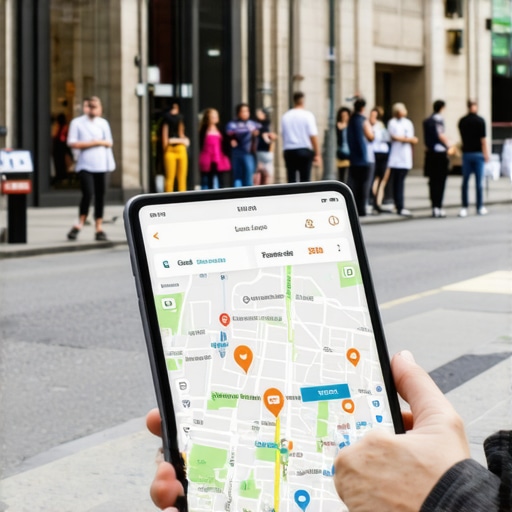
Have you ever driven past your favorite local coffee shop and wondered why it seems invisible on Google Maps, even though it’s right there on the corner? I’ve been there. I remember spending hours trying to figure out why my own business wasn’t showing up in local searches, only to realize I was making some classic mistakes. It was a lightbulb moment when I understood that building local authority isn’t just about having a listing — it’s about making your business the most trusted, visible choice in your community.
Why Local Authority Can Make or Break Your Map Rankings
When I first started working on local SEO, I thought a shiny profile and a few reviews would do the trick. Turns out, Google’s algorithm is smarter than that. It rewards businesses that demonstrate genuine authority through consistent signals — reviews, citations, engagement, and more. According to Moz’s local ranking factors, local authority is a major component in how Google decides which businesses to showcase in the coveted Map Pack. If you’re serious about dominating your local market in 2024, understanding and nurturing this authority is crucial. Building authority isn’t a magic trick; it’s a strategic process, but one that pays off big time.
Are You Wasting Time on Fake Reviews or Cheap Tricks?
Early on, I made the mistake of thinking that just asking friends for reviews would boost my rankings. Spoiler: it doesn’t. Google quickly sees through that. Instead, I learned that authentic customer engagement and consistent optimization are the real game-changers. Want to learn the proven strategies that actually work? I’ve put together a comprehensive guide that covers everything from profile optimization to local link building. Curious? Dive into building local authority and start turning your Google Maps listing into a local powerhouse.
Optimize Your Google My Business Profile for Instant Credibility
Start with your Google My Business (GMB) profile. Fill out every section meticulously: business name, accurate address, phone number, and hours. Use a consistent NAP (Name, Address, Phone) format across all listings. Upload high-quality, local-specific images that showcase your storefront, team, or products. Remember, a complete profile signals trustworthiness to Google and potential customers alike.
Build Local Citations to Strengthen Your Footprint
Next, focus on local citations—mentions of your business on other reputable websites. Think of citations as digital word-of-mouth endorsements. Submit your business info to local directories, industry-specific sites, and local chambers of commerce. Ensure every citation matches your GMB info exactly to avoid confusion and maintain consistency. This boosts your local relevance and helps Google associate your business with your community.
Gather Authentic Customer Reviews for Trust Signals
Reviews are social proof that establish your authority. Reach out to satisfied customers politely asking for reviews after a successful transaction. Make it easy by sending direct links to your review page. Respond promptly and professionally to all reviews, especially negative ones—showing you care about customer feedback. Authentic, diverse reviews not only build trust but also signal to Google that your business is active and valued in the community.
Engage Locally Through Content and Community
Active engagement is key. Post regular updates on your GMB profile—special offers, events, or community involvement. Share local news or stories that resonate with your audience. This activity signals to Google that your business is vibrant and engaged locally, increasing your authority. Additionally, participate in local forums or sponsorships to enhance your community presence and garner more local links and mentions.
Leverage Local Links for Authority Boost
Secure backlinks from reputable local websites. Collaborate with local bloggers, sponsors, or industry partners to create content or events that earn backlinks. Think of backlinks as votes of confidence—more high-quality links mean higher trustworthiness in Google’s eyes. Focus on earning links naturally through valuable content and community engagement rather than purchasing or using shady tactics.
Monitor and Adjust Your Strategy Regularly
Track your progress with tools like Google Analytics and GMB insights. Watch for changes in your rankings and review the effectiveness of your efforts. Adjust your tactics based on what works—more reviews, new citations, or updated content. Consistency and adaptability are your best allies in building enduring local authority.
Applying these core techniques transformed my local SEO approach. After implementing a comprehensive citation cleanup, actively engaging the community, and optimizing my profile, I saw my business jump to the top of the Map Pack within a few months. It’s a steady process, but the results are worth every effort—turning your Google Maps listing into a trusted local authority.
Many local business owners believe that simply having a Google My Business (GMB) profile and collecting reviews automatically elevates their position in local search results. However, this is a misconception that can lead to wasted effort and frustration. In reality, there are nuanced strategies and common pitfalls that many overlook, which are crucial for genuine authority building.
One widespread myth is that more reviews always mean higher rankings. While reviews are important, their quality, diversity, and authenticity matter far more than sheer quantity. Google’s algorithm prioritizes genuine engagement signals, which means fake or incentivized reviews can harm your credibility and even lead to penalties. Instead, focus on cultivating a steady stream of honest reviews from satisfied customers, and respond to each to demonstrate active engagement. For advanced insights, consider how review signals interact with your overall local reputation and citation consistency—these factors together influence your authority.
Another misconception is that local citations alone will boost your authority significantly. While citations are valuable, their impact diminishes if they are inconsistent or outdated. Many businesses fail to audit their citations regularly, leading to conflicting NAP (Name, Address, Phone) data that confuse Google and diminish trustworthiness. To truly leverage citations, ensure they are accurate and consistent across all platforms, and prioritize high-authority local directories. You can learn more about how to effectively build local citations and avoid common pitfalls in this comprehensive guide.
What Are the Risks of Relying on Shady Tactics for Local Authority?
Many beginners fall into the trap of using shortcuts like buying backlinks or posting fake reviews to quickly boost their local authority. While these tactics might seem tempting, they carry significant risks. Google’s algorithms have become increasingly sophisticated at detecting manipulative behaviors, and engaging in such practices can lead to severe penalties, including removal from search results. Beyond the risk of penalties, relying on shady tactics undermines your long-term credibility in the community and with Google. Instead, focus on creating valuable, locally relevant content, building genuine relationships with community partners, and earning backlinks naturally through high-quality collaborations. For more advanced strategies on ethically building authority, check out this expert resource.
Remember, building local authority is a marathon, not a sprint. It requires consistent effort, strategic planning, and avoiding shortcuts that can backfire. Have you ever fallen into this trap? Let me know in the comments!
Maintaining your local SEO momentum requires the right tools and consistent strategies. Over the years, I’ve refined my toolkit to ensure my efforts stay effective and scalable, especially as search algorithms evolve. Today, I want to share the specific tools and methods I personally rely on to keep my local authority strong and my Google Maps rankings high.
Invest in Google My Business Management Software
One of my go-to tools is GMB management platforms like BrightLocal or Whitespark. These tools streamline review tracking, post scheduling, and citation management, saving me hours each week. I especially appreciate how they provide real-time alerts for new reviews or profile changes, allowing me to respond promptly and maintain active engagement. Consistent interaction with customers and the platform helps reinforce my local authority and keeps my profile fresh in Google’s eyes.
Automate Citation Monitoring and Cleanup
As I emphasized in building local authority, citation consistency is crucial. I use tools like Moz Local or BrightLocal to audit my citations regularly. These platforms automatically detect outdated or conflicting NAP data, allowing me to correct issues before they impact my rankings. Staying on top of citation accuracy is a long-term investment in your local credibility, and automation makes this manageable even as your business grows.
Track and Respond to Reviews with Precision
Reviews remain a cornerstone of local authority. I personally utilize review management tools that aggregate reviews from multiple platforms in one dashboard. This setup allows me to monitor feedback, respond quickly, and even identify recurring issues that I can address proactively. Authentic engagement not only boosts customer trust but also signals to Google that my business is active and valued in the community.
Leverage Content Scheduling for Community Engagement
Consistent content posting keeps your profile lively and signals your ongoing commitment to the community. I recommend tools like Buffer or Hootsuite for scheduling updates, special offers, or local news. Scheduling ensures you maintain activity even during busy periods, which Google interprets as ongoing local relevance. Regular updates help solidify your authority and build a loyal local audience.
Where Is Local SEO Going?
Looking ahead, local SEO is trending toward hyper-personalized experiences and AI-driven insights. Google’s algorithm is becoming better at understanding user intent and local relevance, so your tools must adapt. I predict that automation, AI analytics, and reputation management will become more integrated, making it easier for small businesses to sustain and scale their local authority efficiently.
To stay ahead, I recommend trying out these tools and automations today. For example, set up a citation audit or review response automation. Small steps now will pay dividends as your local presence grows. Want more tailored advice? Visit our contact page for personalized strategies that suit your business size and niche.
Remember, the key to lasting success is consistency and leveraging the right technology. Start integrating these tools today and watch your local authority soar!
The Hardest Lesson I Learned About Building Local Authority
One of the toughest truths I faced was realizing that shortcuts like fake reviews or shady backlinks might give quick wins but destroy long-term trust and rankings. Authenticity isn’t just a buzzword—it’s the bedrock of genuine authority. I learned this the hard way, and now I focus on creating real value for my community instead of chasing quick fixes.
3 Myths About Local SEO That Held Me Back
- More reviews always mean better rankings: Not true. Quality and diversity matter more than quantity.
- Citations alone will boost authority: Not if they’re inconsistent or outdated. Regular audits are essential.
- Buying backlinks is a fast track: It’s risky and can lead to penalties. Natural link-building wins in the long run.
What Experts Won’t Tell You About Authority Growth
Many overlook the importance of community engagement and content consistency. Building local authority isn’t just about technical tweaks; it’s about forming genuine relationships and staying active. Investing in tools that automate citation monitoring and review responses can save time and keep your signals strong. For advanced insights, check out this guide.
This post really hits the mark on the importance of genuine local authority. From my experience managing a small boutique, I found that engaging directly with the community through local events and collaborative content really boosted our visibility. It’s tempting to focus solely on online tactics, but real-world engagement can significantly enhance your local reputation and earned backlinks, which Google values highly. One challenge I encountered was maintaining consistent citation data across multiple directories, but tools like Moz Local made it manageable. Have others found certain local community activities more effective than others in building trustworthy links? It’s interesting to see how community involvement still plays a crucial role despite the digital focus nowadays.
This post resonates with my own experiences in local SEO. I used to think that simply optimizing my Google My Business profile was enough, but I quickly learned that building genuine local authority requires much more effort. Engaging with the community through local events and collaborating with other local businesses helped me establish trust and earn valuable backlinks. I also found that consistent citation updates and authentic reviews played a huge role in boosting our visibility. Regarding Emily’s point about maintaining citation accuracy, I wonder what are some effective strategies to audit and correct citations across dozens of directories without it becoming overwhelming? Has anyone experienced tools or processes that make this more manageable while still ensuring precision? It seems like a crucial step that many overlook, but it’s vital for long-term success. Overall, creating authentic connections and staying active in the community seems to be a recurring theme in genuine authority growth.
Building genuine local authority is truly a strategic process that demands consistent effort. I completely agree with the post that authentic engagement and accurate citations are critical for long-term success. Personally, I’ve seen great results by participating in local events and collaborating with community organizations, which not only boosts visibility but also earns valuable backlinks naturally. I’ve also experimented with citation management tools like BrightLocal, which made cleaning up and maintaining consistency much more manageable. One thing I’m curious about is how small businesses can effectively balance online reputation management with active community involvement—do you think focusing on local outreach impacts online SEO signals directly? Or do they primarily work in tandem to build overall trust and authority? I’d love to hear others’ experiences on integrating these efforts efficiently.