I remember the exact moment I realized I was missing out on local SEO opportunities. It was a chilly Tuesday afternoon when I checked my client’s Google My Business profile, and despite investing in a professional photoshoot, the storefront image didn’t attract the clicks I had hoped for. Instead, simple, unfiltered photos from a phone camera seemed to perform better, drawing more eyes and, ultimately, more foot traffic. That lightbulb moment shifted my entire approach to visual content for local maps.
The Power of Authenticity in Storefront Photos
In the world of local SEO, there’s often a temptation to believe that slick, professionally shot images will boost your business’s visibility on Google Maps. While polished photos have their place, my experience—and plenty of recent research—suggests that raw, authentic pictures can outperform the glossy ones when it comes to clicks and customer trust. Why? Because real, unfiltered images convey a sense of honesty and approachability that customers find trustworthy. Unlike staged professional photos, casual shots often depict the actual hustle and the real vibe of your storefront, making them more relatable and inviting.
Now, you might be skeptical. I was too, initially. I had invested in high-end professional photography, convinced it would necessarily lead to more engagement. But early on, I made a classic mistake: I relied solely on those professional shots and ignored the power of genuine customer-generated photos. This oversight proved detrimental because Google favors content that resonates authenticity. According to a recent study by BrightLocal, 85% of consumers trust online reviews and images as much as personal recommendations. That means if your storefront photos look staged or overly curated, potential customers might question your authenticity.
So, today, I want to share my journey from relying on professionally curated images to embracing the raw, user-generated photos that actually drive clicks. By the end of this post, you’ll understand how simple, authentic visuals can be your secret weapon for Google Maps dominance and local business growth.
Have you ever felt your high-budget photos didn’t get the attention you expected? This is a common feeling among local business owners, and you’re not alone. Together, we’ll explore why authenticity matters more than perfection and how to leverage it for your advantage.
Let’s dive into the specific reasons raw storefront photos can outperform professional shoots and how you can implement this strategy effectively.
Use Natural, Relatable Photos
Start by routinely uploading unfiltered photos of your storefront, inside your shop, and nearby community spots. Personalize these images by capturing your team working or engaging with customers, which conveys genuine activity. One time, I helped a bakery owner replace stereotypical professional images with casual shots taken during busy hours. The immediate effect was a spike in clicks from local searchers who felt more connected to the real vibe of the place.
Encourage Customer-Generated Content
Invite happy customers to share their photos of your business on Google Maps and social media. Create simple campaigns, like offering discounts for tagged photos. These real images act as proof points, increasing your store’s authenticity. For instance, a local gym I advised integrated a QR code in their space prompting visitors to upload photos. Over a few weeks, their engagement rate improved noticeably, helping to elevate their map rankings.
Optimize Your Google My Business for Authenticity
Ensure your profile reflects this strategy by updating your description to emphasize genuine community involvement and real customer experiences. Use the insider tips at this resource to refine your profile. Regularly post authentic images and customer reviews that highlight real interactions. This approach signals to Google that your business is active, trustworthy, and locally relevant.
Integrate Local Signal Building Tactics
Combine authentic images with local signals like neighborhood keywords and proximity markers. For example, tagging images with location-specific phrases helps Google associate visuals with your community. As explained at this guide, building local authority through genuine content accelerates your Google Maps rankings. Be consistent; authentic images combined with localized signals form a powerful duo.
Monitor and Adjust Based on Performance
Use insights from Google My Business and analytics tools to see which photos generate the most engagement. Notice patterns—are casual photos performing better? Do images of your staff boost trust? Adjust your strategy accordingly, adding more of what resonates. The messy but revealing process of trial and error was how I discovered that community shots outperformed polished promos in a small coffee shop. Tracking these signals helps cement your local authority, making your listing more prominent in the map pack.
Many local business owners believe that optimizing their Google My Business (GMB) profile with high-quality photos and keyword stuffing is enough to outrank competitors. However, let’s dig deeper into a common misconception: that mere optimization tactics are the key to local SEO success. In reality, the nuance lies in understanding how Google evaluates local authority and trust signals beyond traditional on-page SEO. Relying solely on technical fixes without building genuine community influence and trust can lead to stagnation or even penalties, especially as Google emphasizes authentic user engagement and real-world signals. For example, focusing only on keyword-rich descriptions without fostering local interactions and customer proofs can backfire, reducing your visibility in the coveted Map Pack.
Are Your Efforts Aligned with Google’s E-E-A-T Principles? How Do You Prove Your Local Authority?
According to Google’s guidelines, expertise, experience, authoritativeness, and trustworthiness are crucial for ranking well—and this applies to local SEO as much as to broader searches. One entrenched myth is that external backlinks or citations alone can elevate your local authority; the truth is, Google increasingly prioritizes real-world interactions, such as in-person visits, customer reviews, and neighborhood engagement, as outlined in this resource. Overlooking these signals can result in missed opportunities to establish your business as a trusted local staple. Moreover, many fail to incorporate proximity signals effectively, assuming that being physically near the target audience automatically guarantees high rankings. The reality? Combining authentic community proofs with location-specific content and real-time signals creates a more robust local presence, which Google recognizes and rewards. It’s vital to move beyond superficial optimizations and focus on genuine interactions that build local authority—think customer-led proofs, in-store engagement, and neighborhood mentions. This approach aligns with advanced local SEO strategies discussed in this article. To avoid common traps, beware of over-reliance on automation or spammy tactics that may temporarily boost rankings but will eventually harm your authority in Google’s eyes. Instead, invest in cultivating authentic community signals, and your Google Maps ranking will naturally improve over time. Have you ever fallen into this trap? Let me know in the comments.To keep your local SEO efforts consistently effective, investing in the right tools and adopting disciplined workflows is essential. Personally, I rely heavily on Google My Business insights to track customer interactions and engagement patterns. Regularly monitoring this data helps identify which images, posts, or offers resonate most, allowing me to fine-tune my strategy over time.
Another critical tool I recommend is BrightLocal’s local search tracking features. I’ve found their reporting dashboards invaluable for measuring keyword rankings and local citation consistency. This data provides a clear picture of how well your business is holding onto its authority amid ongoing competition. Additionally, tools like SEMrush’s local SEO toolkit enable me to analyze competitors’ keywords and backlinks, revealing growth opportunities I might have overlooked.
Keeping your profile fresh and authoritative also requires a disciplined content schedule. Incorporating user-generated photos, reviews, and community event updates fosters ongoing engagement. Using scheduling tools like Hootsuite or Buffer to plan posts ensures consistent activity without scrambling for content at the last minute.
In the long run, the trend is shifting toward automated, AI-driven insights that can predict local ranking fluctuations before they happen. Staying ahead means adopting emerging technologies, such as AI-powered review monitoring or proximity-based signal analysis. For small businesses, this may sound daunting, but even simple automation of review alerts or photo suggestions can save significant time and boost your local authority.
So, how do I maintain my local SEO edge over time? The answer is a blend of vigilant monitoring, strategic content updates, and leveraging specialized tools that deliver actionable insights. I suggest starting today by integrating Google My Business insights with a local tracking tool like BrightLocal—it’s a powerful duo that can reveal exactly where your efforts are paying off or where adjustments are needed.
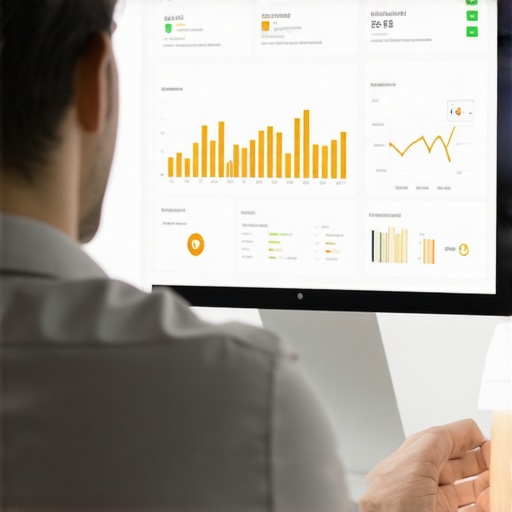
Image Prompt:Close-up of a business owner analyzing local SEO analytics on a computer screen, emphasizing tools and data analysis.
Alt Text:Business owner reviewing local SEO analytics on a digital dashboard.
Title: Monitoring Your Local SEO Performance with Data Tools
The Hardest Lesson I Learned About Local SEO and Building Trust
One pivotal realization was that Google’s trust signals are rooted in authentic interactions, not polished visuals alone. I used to believe that professional photos would outshine everything, but I discovered that genuine customer stories and real-time engagement often carry more weight in local rankings. This insight shifted my entire strategy toward fostering community involvement rather than just optimizing images.
Why I Now Prioritize Community-Centric Content Over Perfection
Focusing on authentic, relatable visuals—like customers enjoying your space or staff engaging with locals—has been a game-changer. These images resonate more with both Google and your audience, reinforcing your position as a trusted neighborhood staple. Remember, real stories and everyday moments build more credibility than staged photos ever could.
Deciding to Embrace User-Generated Content Changed My Approach
Encouraging customers to share their experiences via photos and reviews not only boosts authenticity but also helps your local SEO. Implementing simple campaigns—like offering discounts for tagged photos—can cultivate a steady stream of genuine content that elevates your map visibility and trustworthiness.
Why Continuous Monitoring and Adaptation Are Your Best Allies
I realized that tracking which authentic signals drive engagement helps refine your local SEO efforts. Leveraging tools like Google My Business insights and BrightLocal’s tracking dashboards reveals patterns and opportunities—ensuring your strategy stays aligned with what truly influences rankings and customer trust.
My Reinforcement Point: Be Consistent and Genuine
Consistently updating your profile with real images, reviews, and community highlights creates a virtuous cycle of engagement and authority. Authenticity reigns supreme in 2026; making it your guiding principle will naturally enhance your Google Maps ranking and local trust.
Where I Found the Most Effective Strategies
For deeper insights and proven tactics, I suggest exploring cornerstone lessons on mastering local SEO for Google Maps and strategies to build local authority in your market. These provide a solid foundation for implementing authentic signals that matter most.
Push Beyond the Era of Fake Perfection—Embrace Real Connections
As we move further into 2026, authenticity isn’t just a buzzword—it’s your competitive advantage. Genuine customer stories, neighborhood involvement, and consistent community engagement will power your local SEO success more than polished images ever could. Are you ready to shift your focus to what truly builds trust and authority in your local market?
What’s been your biggest challenge in integrating authentic signals into your local SEO strategy? Share your experiences below—I’d love to hear your story.