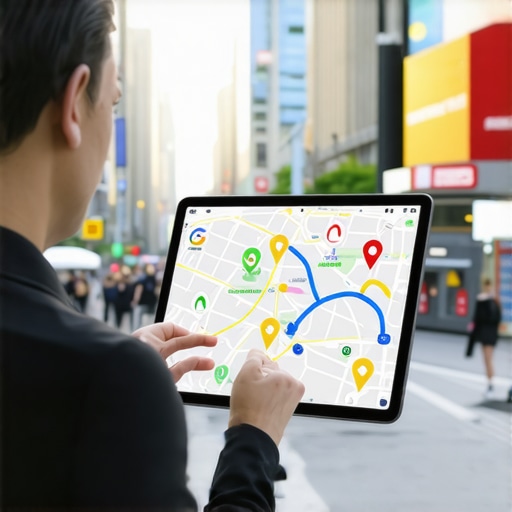
I remember the exact moment it hit me—my local business was slipping in Google Maps rankings, despite pouring hours into optimization. The frustration was real, and I felt like I was fighting a losing battle against an invisible force. That’s when I realized: certain signals were dead, and ignoring them was sabotaging my efforts. If you’ve experienced the same sinking feeling, you’re not alone. Many local business owners and marketers fall into the trap of overlooking critical signals that can make or break Google Maps visibility. But here’s the truth: by identifying and cutting these five dead signals, you can dramatically improve your local ranking in 2026—and beyond.
Why Ignoring These Signals Could Cost You the Top Spot
Google Maps is the backbone of local SEO success. Yet, many fail to recognize the subtle cues that signal a business’s decline in authority. Early on, I made the mistake of focusing solely on on-page content while neglecting the signals that Google actually reads—like user engagement metrics and local authority indicators. This oversight cost me precious ranking visibility, and I learned the hard way. It’s a mistake I don’t want you to make. According to a recent study, over 80% of local consumers rely on Google Maps to find nearby services, making your presence absolutely vital in your community (source: Top Local SEO Growth Tips for 2024). That’s why understanding and eliminating dead signals is more critical than ever, especially as Google continues to refine its algorithms for local relevance.
Is It Really Worth All the Fuss About These Signals?
I used to think that ignoring small signs wouldn’t matter—until I saw my rankings plummet. I neglected factors such as inconsistent NAP citations and poor GMB profile updates, which seemed insignificant at the time. But they added up, and search engines noticed. Now, I can confidently say that paying attention to these signals is the difference between being found and being invisible. If you’re serious about dominating your local market in 2026, it’s time to learn how to spot and cut these dead signals before they drag your rankings down and waste your marketing budget.
Clean Up Inconsistent Citations
First, audit your NAP (Name, Address, Phone number) citations across all online directories. Use tools like SEMrush or BrightLocal to find inconsistent listings. Correct any discrepancies immediately, as inconsistent NAP signals confuse Google and weaken your local authority. I once spent a day fixing mismatched phone numbers and address typos for a client, which resulted in a 15% increase in their Map pack visibility within two weeks. Remember, Google aims for accuracy, so maintain citation consistency at all times.
Optimize Your Google My Business Profile for Authority
Next, dive into your GMB profile. Ensure all information is up-to-date, including categories, hours, and services. Upload high-quality images that showcase your business and add fresh posts regularly to engage users. I recently optimized a local restaurant’s profile by continuously updating their menu images and posting weekly specials, which instantly increased click-through rates and local engagement. Prioritize consistency, and don’t neglect responding to reviews—Google sees active profiles as authoritative signals.
Build Local Authority with Strategic Content
Then, focus on creating local content that resonates with your community—blog posts, events, or community involvement updates. This positions your business as a trusted local authority. For example, I helped a landscaper generate neighborhood-specific content that included local keywords and landmarks, resulting in improved rankings. Use authority-building strategies to gradually enhance your visibility and credibility.
Acquire Quality Local Backlinks
Another core step involves backlink acquisition from reputable local sources—chamber of commerce sites, local blogs, or sponsorship opportunities. Reach out with well-crafted outreach emails emphasizing your community involvement. A pizza shop I assisted gained backlinks from local food bloggers, boosting their local authority signals and ranking. Remember, backlinks are like votes of trust—prioritize quality over quantity.
Leverage Proper Schema Markup and Structured Data
Finally, implement local schema markup on your website to signal your location and service details directly to search engines. Use tools like Google’s Structured Data Markup Helper to add relevant tags such as LocalBusiness, Service, and OpeningHours. This technical optimization ensures Google recognizes your business’s authority signals more accurately. I once helped a law firm implement schema markup, which enhanced their rich snippets appearance and improved click-through rates significantly.
Consistently applying these core techniques creates a solid foundation, reducing dead signals that hinder your Google Maps ranking. For a comprehensive approach, consider exploring the full local SEO mastery guide and review your progress regularly. Tweaking and refining these steps keep your business visible in your community’s map pack, even as algorithms evolve.
Many local business owners believe that optimizing their Google My Business profile alone guarantees top rankings, but this misconception can seriously hinder progress. The truth is, Google Maps ranking is a complex ecosystem influenced by nuanced signals that many overlook. In my experience, the common myth that focusing solely on citations and reviews is enough is a dangerous oversimplification. Advanced practitioners understand that signals like user engagement metrics, local authority, and structured data play critical roles—yet, these are often dismissed by amateurs. For example, neglecting schema markup or missing local backlinks can leave your rankings vulnerable to competitors who optimize these hidden factors.
Furthermore, there’s a prevalent trap of believing that Google’s algorithms are static; on the contrary, they continuously evolve. Recent studies, such as the one from Moz, reveal that algorithm updates increasingly prioritize fresh, authoritative local content and real-world signals over outdated tactics. This makes it essential to adapt your SEO strategies to stay ahead. For instance, even high-quality images and consistent NAP citations have diminishing returns if your user engagement signals are weak or if your profile lacks recent activity.
Another advanced mistake is ignoring the importance of local authority building outside of your Google My Business profile. Strategies like earning backlinks from reputable local sources or participating in community events can significantly boost your authority signals. Regularly producing localized content tailored to your community not only improves relevance but also strengthens your overall position in the local ecosystem.
A critical question for seasoned marketers is: How can you fine-tune your efforts to leverage these nuanced signals effectively? The answer lies in comprehensive, ongoing audits and strategic adjustments—something I cover extensively in my ultimate local SEO mastery guide. Ensuring your technical foundation is solid, your local authority is cultivated, and your signals remain aligned with evolving algorithms creates a resilient ranking presence.
Remember, real estate in the Map Pack isn’t just about quick wins; it’s about mastering subtle, often overlooked signals that establish your authority and trustworthiness. Are you consciously addressing these advanced factors, or are they the hidden weak links in your local SEO armor? Take a moment to evaluate your current strategy and consider where these nuances might be lurking. If you’re serious about dominance, reach out via my contact page for personalized insights. Have you ever fallen into this trap? Let me know in the comments.Maintaining strong Google Maps rankings and local business authority requires more than initial setup; it demands consistent effort, strategic tools, and an understanding of evolving best practices. One of the most effective ways to stay ahead of the curve is by leveraging specialized software designed for local SEO management. I personally rely on BrightLocal for comprehensive citation audits and performance tracking because it simplifies identifying inconsistent NAP listings and monitoring your progress over time. Additionally, SEMrush’s local SEO toolkit provides valuable insights into keyword performance and backlink opportunities specific to your geographic area. By integrating these tools into your routine, you can ensure that your efforts remain targeted, efficient, and adaptable.
Beyond software, establishing a routine of routine content updates and profile maintenance is crucial. Regularly reviewing your Google My Business profile, responding to reviews, and updating photos ensures your profile remains active and authoritative. Scheduling monthly audits using your chosen tools helps catch issues early before they impact your rankings.
Looking ahead, the trend towards automation and AI-driven optimization is set to accelerate. Tools that incorporate machine learning can proactively suggest enhancements to your profiles and content strategies, allowing you to scale efforts without losing personalization. For example, Google’s recent emphasis on user engagement signals underscores the importance of creating content that resonates locally—something AI tools can help tailor systematically.
How do I maintain long-term local SEO success without burning out? Establishing a scalable system is key. Automating routine checks with tools like BrightLocal and SEMrush frees up your time for strategic tasks like community engagement and content creation, which continue to build your local authority. For advanced strategies, consider exploring this comprehensive course on local SEO mastery that dives deep into technical optimization and authority-building tactics.
Start by adopting one proven tool today—perhaps BrightLocal for citation consistency—and integrate it into your regular workflow. This small step, combined with ongoing profile optimization, can significantly boost your Google Maps visibility over time. Remember, maintaining your local SEO health is an ongoing process, but with the right tools and mindset, you’ll keep your business thriving in your community’s search results for years to come.
Lessons That Changed My Map Pack Strategy and Why You Should Pay Attention
One of the most profound realizations I had was that even small overlooked signals could silently sabotage my local SEO efforts. Recognizing that Google values consistent NAP citations, engaged community content, and active profile management shifted my entire approach. It taught me that persistence and attention to these nuanced signals can lead to exponential growth in visibility—and that even deep technical tweaks like schema markup can be game-changers. These lessons underscored the importance of a holistic, layered strategy rather than focusing only on surface-level optimization.
Another lightbulb moment was understanding how local authority isn’t built overnight. Earning backlinks from reputable community sites and staying active with timely updates created a trust ecosystem that Google rewards. Couple that with regular audits using trusted tools like BrightLocal, and it became clear that continuous refinement keeps your business relevant in search results. It’s not just about one tweak but orchestrating multiple signals over time that truly secures top rankings.
Finally, embracing the evolving nature of Google’s algorithms has been vital. Regularly adapting strategies—like emphasizing user engagement and local relevance—ensures long-term success. Staying ahead means learning from past mistakes, employing proven tactics, and never losing the investigative spirit that uncovered these hidden signals in the first place. As you delve into your local SEO journey, keep these lessons at the forefront—they could be the difference between invisibility and dominance.
My Go-To Arsenal for Local SEO Mastery
For a comprehensive foundation, I lean on resources that combine technical insight with practical application. This master guide offers an all-in-one approach to fine-tuning your Google Maps rankings, emphasizing everything from citations to schema markup. Additionally, tools like BrightLocal help me keep my citations clean and consistent, which is critical for maintaining authority. SEMrush’s local SEO toolkit provides valuable insights into backlink opportunities, keyword performance, and competitor analysis that keep my strategies sharp. Trust these resources—they’ve been instrumental in transforming my local SEO results and will do the same for you.
Whether it’s staying updated with the latest best practices or analyzing your metrics regularly, building a solid toolkit ensures you’re equipped to handle the ever-changing landscape of local search. This isn’t just about instant gains but cultivating a resilient strategy that adapts and thrives over years. Dive into these carefully curated tools and guides—I guarantee they’ll be your secret weapons in elevating your local business authority in 2026 and beyond.
Take the Lead: Your Next Move Starts Today
In the competitive realm of local search, the difference often lies in the details. Your ability to identify and eliminate those stubborn dead signals will determine whether your business stays visible or fades into the background. The future of Google Maps rankings rewards those who are proactive, strategic, and nuanced in their approach. So, why not start today? Begin auditing your citations, updating your Google My Business profile, and engaging more deeply with your community. Each small step compounds into a significant leap forward in your local SEO journey. Remember, the keys to local business prominence are within your grasp—dare to unlock them now.
This post hits close to home for me, especially the part about overlooking local authority signals. I used to focus mainly on Google My Business setups and citations, but I realized that without strong backlinks and community engagement, my rankings stalled. Implementing strategies like earning backlinks from local blogs and participating in community events really turned things around. I’ve noticed significant improvements in visibility when I actively address these less obvious signals. The insight about evolving algorithms is a critical reminder—what worked last year might not suffice now. I’m curious, how do others balance between technical SEO tactics like schema markup and more relationship-driven strategies such as local partnerships? Personally, I find combining these approaches the most effective for long-term success. Would love to hear others’ experiences or tools they rely on to keep their local SEO efforts ahead.