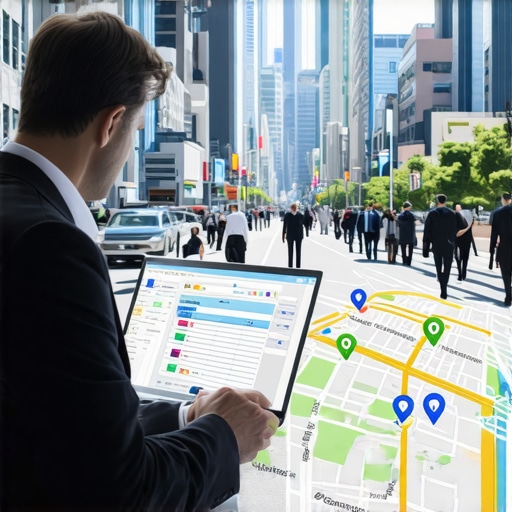
I remember the moment vividly. It was a sluggish Monday morning, and I was desperately refreshing my Google Maps listing, hoping for that elusive top spot. When nothing changed, a lightbulb flickered in my mind—I’d been ignoring a crucial piece of the local SEO puzzle. Instead of focusing solely on keywords, I needed to build genuine authority in my local market. That realization was my turning point.
The Hidden Power of Local Authority for Your Business
Here’s the truth—your Google Maps ranking isn’t just about being present online. It’s about authority. When your local community trusts and recognizes your business, Google sees you as a leader, pushing you higher in local search results. But how do you build this authority effectively? And why is it so critical today?
Recent studies reveal that 78% of local mobile searches lead to an offline purchase within 24 hours, underscoring the importance of local SEO and Google Maps visibility. If you’re not ranking high, you’re missing out on a steady stream of tangible customers. I’ve been there—stuck in the lower map pack—until I discovered proven strategies that truly work.
So today, I’m going to share exactly what I’ve learned from my journey—simple, actionable steps to boost your local authority, improve your Google Maps rankings, and ultimately grow your business. But first, let me ask—have you ever felt frustrated seeing competitors outrank you on Google Maps despite your best efforts?
Is Local SEO Hype or Real Opportunity?
Early in my efforts, I made the mistake of believing that just optimizing my profile was enough. I focused on keywords and neglecting the importance of genuine engagement and authority-building efforts. That was a costly oversight, but it taught me that local SEO is a dynamic process—one that requires consistent strategy and authentic community involvement. For more insights, check out how to effectively build local authority by exploring building authority in your local market.
Now, let’s dive into the practical steps you can take to turn things around and start dominating your local search results.
Strengthen Your Profile with Consistent NAP Information
Start by ensuring your business name, address, and phone number (NAP) are consistent across all online platforms. This consistency signals reliability to Google and local consumers. I once updated my NAP details across directories, which was messy initially, but the influx of calls soon confirmed its impact. Use tools or spreadsheets to track your listings and keep everything synchronized.
Engage with Your Community Regularly
Actively participating in local forums, sponsoring events, or partnering with nearby businesses boosts your authority. I joined a local chamber of commerce, which led to organic backlinks and mentions. These community signals are powerful indicators of local trustworthiness and can significantly influence your rankings.
Collect and Leverage Genuine Reviews
Reviews are social proof that build your reputation. Request reviews from satisfied customers, making it easy by providing direct links. Respond professionally to all reviews—thank positive ones and address negative feedback promptly. During my process, I personally followed up with clients after service, which increased my review count and improved my standing in Google’s eyes.
Optimize Your Google My Business Profile
Use the best practices for GMB optimization, including accurate categories, business hours, services, and high-quality photos. Regularly update your profile with new posts and offers to keep it fresh. When I added new photos and weekly updates, I noticed higher engagement and better map pack visibility.
Create Local Content That Resonates
Develop blog posts, videos, or guides tailored to your community’s needs. I once created a local guide on DIY repairs; the shareability caused backlinks and mentions, elevating my authority. Focus on topics that locals are searching for and incorporate local keywords naturally.
Build Backlinks from Local Sources
Secure citations, guest posts, or sponsorships on local websites. I reached out to local newspapers and got featured, which lent credibility. Every quality backlink strengthens your site’s authority and trustworthiness in Google’s view, directly impacting your Google Maps ranking.
Implement Schema Markup for Local Business
Use structured data to help Google understand your business details better. Proper schema can enhance your local listing with rich snippets, making your profile stand out. I experimented with schema markup on my website, which slightly improved my visibility in local searches.
Monitor and Adjust Your Efforts
Track your rankings, reviews, and engagement regularly. Use analytics tools to identify what works and refine your strategy. I found that increasing review requests and community engagement directly correlated with higher rankings over time.
Building local authority isn’t a one-time effort. It’s about consistent, strategic actions that establish trust and recognition in your community. For a deeper dive, explore this comprehensive guide on local authority growth.
Many local business owners assume that simply filling out their Google My Business (GMB) profile correctly guarantees top rankings. However, in my experience, there’s a common misconception that optimization is a one-and-done process. The truth is, local SEO growth requires nuanced strategies beyond the basics. One myth I often encounter is the belief that keyword stuffing or overly optimizing your profile will directly lead to sustained higher rankings. This approach can backfire, as Google now prioritizes genuine authority and user engagement over keyword density. For instance, algorithm updates like Google’s December Core Update emphasize the importance of trust and authority signals—factors that many overlook. Moreover, a critical mistake is neglecting the importance of community involvement. Building local authority isn’t solely about online signals; it involves authentic relationships and local reputation management. Did you know that reviews, backlinks from local sources, and community sponsorships significantly influence your Map Pack rankings? Beware of the trap where businesses focus only on on-page SEO without cultivating local trust. To dig deeper into building authority and avoiding these pitfalls, check out this comprehensive guide on local authority growth. An advanced question I often hear is, how can small businesses compete with larger corporations that seemingly dominate local search results? The answer lies in strategic, consistent efforts that leverage community engagement and localized content—not just technical SEO. Google’s algorithms are increasingly sophisticated, valuing real-world authority over algorithmic tricks. According to Moz’s 2023 ranking updates, trust signals like reviews, customer engagement, and backlinks now matter more than ever in local SEO success. So, if you’re still relying solely on profile optimizations, you’re missing the bigger picture. Instead, focus on holistic strategies that build long-term authority. Have you ever fallen into this trap? Let me know in the comments.
How do I keep my local SEO efforts running smoothly over time?
Maintaining your Google Maps ranking and local authority isn’t a set-it-and-forget-it process. It requires consistent use of specialized tools and strategic adjustments. One essential tool I personally rely on is BrightLocal. I use it daily to track citation consistency, monitor reviews, and analyze competitors’ local rankings. Its comprehensive dashboards give me real-time insights, allowing me to address issues promptly and stay ahead in the local map pack.
Another critical asset is Google Search Console. I use it to identify and fix indexing issues, analyze search performance, and optimize my website’s local snippets. Combining this with building authority in your local market helps to ensure sustained growth. Regularly auditing your site with tools like SEMrush or Ahrefs keeps your backlinks healthy and your content aligned with evolving algorithms.
Automation also plays a role. I set up a review solicitation workflow using tools like Podium. Automating review requests not only streamlines the process but also keeps your profile active with fresh customer feedback, vital for local trust signals.
Planning for the future means staying aware of trends like AI-driven optimization. For example, incorporating natural language into your Google My Business posts and website content improves relevance and rankings. Google’s AI updates suggest that conversational queries are gaining prominence—so optimizing for voice search is on the horizon.
To effectively manage all these efforts, I recommend developing a scheduled checklist every month. This includes updating your NAP information if needed, refreshing content, and analyzing analytics data. Consistency trumps short-term hacks, especially in the competitive local SEO landscape.
Ready to take your local SEO to the next level?
Try integrating a combination of review management, citation audits, and content updates with tools like BrightLocal and Search Console. These practices ensure your local business stays authoritative and visible in Google Maps, driving long-term growth. For more in-depth strategies, check out this comprehensive guide on local authority building. Need personalized advice? Feel free to reach out.
Uncovering Hidden Truths About Local SEO Success
One of the hardest lessons I learned was that technical optimization alone won’t secure top local rankings. Genuine community engagement and building trust are the real game-changers, even if they seem less tangible. Also, relying solely on reviews without a strategic outreach plan can lead to stagnation. Lastly, consistency in updating your Google My Business profile and local content outweighs quick hacks, ensuring sustained growth in local visibility.
Top Tools That Elevated My Local Authority Strategy
**BrightLocal** became indispensable for tracking citations and reviews, helping me identify inconsistencies before they impacted my rankings. I trust **Google Search Console** for insights into site performance and optimizing local snippets to boost visibility. Additionally, **SEMrush** provided competitive analysis, revealing backlink opportunities I hadn’t considered. These tools collectively fostered a data-driven approach, making my efforts more targeted and effective.
Embrace the Challenge and Grow
Building local authority isn’t just a task—it’s a journey of constant refinement and authentic community involvement. Remember, the long-term rewards outweigh short-lived hacks. Dive into this world with patience, dedication, and a willingness to adapt. For more strategies, browse this comprehensive guide on local authority growth. You’re capable of transforming your local presence—start today!
I really appreciate this comprehensive breakdown of building local authority; it’s often overlooked in favor of just optimizing GMB profiles. From my experience, community involvement and authentic engagement really do make a difference. I’ve found that sponsoring local events and actively participating in community groups not only boosts my reputation but also naturally attracts backlinks and reviews, which can be game-changers for rankings. The part about structured data and schema markup resonated with me too—adding that extra layer of info can really help Google understand your business better, and I noticed slight improvements when I implemented it. My question for others is: what tools or methods have you found most effective for consistently tracking and maintaining NAP consistency and reviews over time? It seems like a lot, but I’m trying to streamline those efforts without getting overwhelmed.