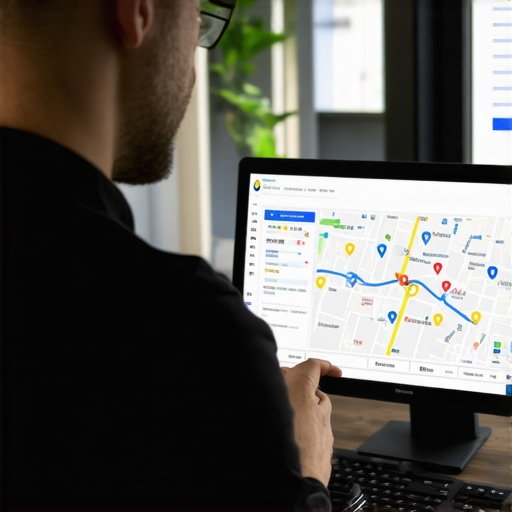
I remember the moment when I realized my Google Maps rankings weren’t budging, despite pouring hours into local SEO efforts. It was frustrating, almost like shouting into the void while my competitors soared ahead. That lightbulb moment hit me hard: I was missing a crucial piece of the puzzle—a strategic approach that actually works to boost local visibility and authority.
Why Local SEO Matters More Than Ever
With the majority of consumers turning to Google Maps to find nearby businesses, your local SEO game can make or break your growth. Did you know that over 60% of mobile searches have local intent? This means if your business isn’t optimized to rank well on Google Maps, you’re leaving a ton of potential customers in the dust. And it’s not just about being visible; it’s about being seen as an authority in your local market, which directly impacts your foot traffic and sales.
Early on, I made the mistake of focusing solely on keyword stuffing and neglecting Google My Business (GMB) profile optimization. Turns out, a well-optimized profile can be a game-changer. To dive deeper into the secrets of Google Maps success, check out this detailed guide. It’s packed with actionable tips that helped me climb the rankings faster.
Is Local SEO Growth Tactics Actually Worth the Hype?
When I first heard about these tactics, I was skeptical. I wondered if they were just another SEO buzzword. But after applying consistent, proven strategies—like building local authority, optimizing my GMB profile, and earning genuine reviews—I saw my rankings improve dramatically. The truth is, many small businesses overlook these critical steps, thinking they’re too complicated or time-consuming. But the reality is, with the right guidance, you can see tangible results in just weeks.
So, if you’ve faced the frustration of stagnant rankings or low local visibility, you’re not alone. Many local business owners struggle to crack the code. That’s why I’ve put together a step-by-step plan to help you boost your Google Maps presence starting today. Keep reading, and I’ll show you exactly how to turn your local SEO efforts into a traffic-driving powerhouse.
Optimize Your Google My Business Profile
Start by claiming and verifying your Google My Business (GMB) profile if you haven’t already. Fill out every section meticulously—business name, address, phone number, website, and operating hours. Use consistent NAP (Name, Address, Phone) details across all online platforms to build trust and authority. Incorporate relevant keywords naturally into your business description to improve relevance. Upload high-quality images that showcase your services, location, and team—these visuals help build credibility and attract clicks. Regularly update your GMB profile with posts, offers, and announcements to signal activity to Google. For detailed tips, check out this guide.
Many local business owners fall prey to misconceptions about what truly drives success in Google Maps rankings. Let’s dig deeper into some of the most pervasive myths and reveal the nuanced truths that can make or break your local SEO efforts.
Myth: More Keywords in Your GMB Profile Means Better Rankings
One common belief is that stuffing keywords into your Google My Business (GMB) description will instantly boost your visibility. In reality, this approach can backfire, as Google’s algorithms have become sophisticated enough to detect keyword stuffing and may penalize your profile for it. Instead, focus on naturally integrating relevant keywords into your description and other sections, emphasizing local relevance and quality content. For detailed strategies on optimizing your profile without risking penalties, check out this guide.
How does keyword stuffing harm your local SEO efforts?
Keyword stuffing can reduce your profile’s credibility, making it appear spammy to Google and potential customers. This not only lowers your rankings but also damages your reputation. Google’s focus on user experience means that relevance and authenticity are more important than ever. Expert sources like industry leaders emphasize the importance of genuine, value-driven content in local SEO.
Myth: Having More Reviews Is All That Matters
While reviews are a critical component of local SEO, quantity alone isn’t enough. The quality, relevance, and recency of reviews play a significant role in shaping your local authority. Moreover, fake or incentivized reviews can harm your rankings and reputation if detected. Encourage authentic feedback from satisfied customers and respond promptly to reviews to demonstrate engagement and professionalism. For proven tactics to acquire genuine reviews ethically, explore this resource.
What advanced strategies can you implement beyond reviews?
Building local authority involves more than reviews. It includes earning backlinks from reputable local sources, maintaining consistent NAP details across directories, and engaging with your community online. These efforts signal to Google that your business is a trusted authority in your area. To learn how to elevate your local presence effectively, consider consulting this expert guide.
Conclusion
Debunking these myths reveals the importance of a nuanced, strategic approach to Google Maps optimization. Avoid common pitfalls like keyword stuffing and superficial review collection, and instead focus on building genuine authority through consistent, value-driven efforts. Remember, local SEO is a marathon, not a sprint. If you’ve ever fallen into these traps, let me know in the comments—sharing your experiences can help others navigate this complex landscape more effectively.
Keeping your Google Maps rankings solid over time requires more than just initial optimization; it demands consistent maintenance and the right set of tools. Personally, I rely on a combination of software and strategic practices to ensure my local SEO efforts stay effective and scalable. One of my go-to tools is BrightLocal, which I use to monitor my local rankings, track reviews, and audit my citations regularly. This platform provides detailed insights into how my business is performing across various local search queries, allowing me to spot and fix issues before they impact my rankings.
For managing reviews, I swear by ReviewTrackers. It consolidates reviews from multiple platforms, helping me respond promptly and maintain a positive reputation. Responding to reviews isn’t just good manners; it’s a proven SEO booster. When it comes to citation consistency, Moz Local is invaluable. It ensures my NAP details are uniform across all directories, which Google favors heavily in local ranking algorithms.
To keep everything running smoothly, I schedule monthly audits of my GMB profile and citations. This proactive approach helps me catch and correct inaccuracies or outdated information, preventing ranking dips. Additionally, I set up alerts for new reviews or mentions using Google Alerts or Mention, so I never miss a chance to engage with customers or address issues quickly.
Looking ahead, I believe automation and AI-driven tools will become even more crucial. Predictive analytics can help us anticipate ranking changes based on algorithm updates or local market shifts, allowing for preemptive adjustments. As local SEO continues to evolve, integrating these advanced tools will be essential for maintaining and scaling your efforts effectively.
How do I maintain Google Maps success over time?
Consistency is key. Regularly updating your GMB profile with fresh posts, offers, and photos signals activity to Google, which can positively influence your rankings. Conduct periodic audits to ensure your citations remain accurate and your reviews are managed professionally. Additionally, nurture your local community by engaging with customers online—respond to reviews, answer questions, and participate in local forums or social media groups. This ongoing engagement builds your authority and keeps your business top of mind for local customers.
If you’re ready to take your local SEO to the next level, I recommend trying automated review management tools like ReviewTrackers and citation audits through Moz Local. These investments will save you time and help sustain your rankings long-term. For more advanced strategies, check out the comprehensive guide to mastering local SEO.
The Hardest Lesson I Learned About Google Maps Optimization
One of the most valuable lessons I learned was that obsessing over keywords without building genuine authority can actually harm your rankings. Early on, I tried keyword stuffing and quick fixes, only to see my position stagnate. It wasn’t until I shifted focus to authentic reviews and community engagement that I started climbing the map pack.
3 Myths About Local SEO That Held Me Back
Myth one was that more reviews automatically mean better rankings. I discovered that review quality and relevance matter more than quantity. Myth two was that keyword stuffing in your GMB profile is a quick win—Google’s algorithms are smarter than that. Myth three was that simply listing in directories is enough; building backlinks and local authority are crucial. Busting these myths helped me craft a more effective strategy.
What Industry Experts Won’t Tell You About Google Maps Growth
Many professionals overlook the importance of citation consistency across all platforms. Small details, like correct NAP info, can significantly impact your local authority. I also learned that regular updates, fresh content, and community engagement keep your profile active and favored by Google. These insights can accelerate your local SEO journey beyond common tactics.
My Essential Toolkit for Local SEO Mastery
For me, BrightLocal is indispensable for monitoring rankings and reviews; it offers detailed insights that help me adjust strategies proactively. ReviewTrackers streamlines review management and engagement, boosting my reputation and local authority. Moz Local ensures my NAP details stay uniform across directories, which is vital for ranking stability. These tools save time and amplify results, making my efforts sustainable.
Where to Go from Here to Dominate Local Search
If you’re serious about boosting your Google Maps rankings, I recommend diving into the comprehensive guide to mastering local SEO. It consolidates proven strategies and advanced tactics that can elevate your business’s local authority and visibility. Remember, ongoing effort and smart tools are your best allies in this competitive landscape.
Your Turn to Try
Now, it’s your chance to implement these lessons and tools in your local SEO efforts. Building authority and visibility on Google Maps isn’t just about quick wins—it’s about consistency, authenticity, and strategic growth. Ready to see your rankings soar?
Have you ever struggled with optimizing your Google My Business profile or managing reviews effectively? Share your experiences below—your insights could help others succeed!
Reading through this post really resonated with me, especially the part about focusing on building real authority rather than just chasing quick wins like keyword stuffing or fake reviews. I’ve noticed that consistent engagement, such as responding to reviews and posts, actually boosts credibility and helps maintain rankings over time. I’ve also experimented with local backlinks from reputable community websites, which seemed to give my GMB profile an extra edge. One thing I’d love to hear from others is how they balance ongoing content updates and community engagement without it becoming overwhelming. Have any tools or strategies proven especially helpful in maintaining that consistency? I agree that local SEO is truly a marathon—staying active, authentic, and strategic makes all the difference in standing out amidst local competitors.