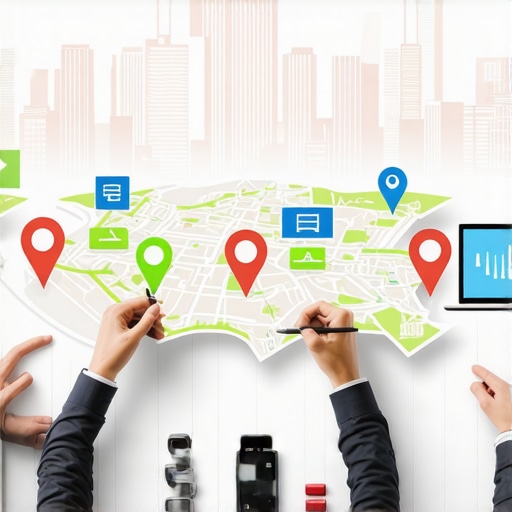
I remember the moment clearly. I had just launched my local bakery, and despite pouring my heart into it, my Google Maps listing was invisible. No matter how much effort I put into social media or local ads, the map pack kept my competitors on top, while I was stuck in the shadows. It was frustrating—like shouting into a void. That lightbulb moment made me realize that without a solid Google Maps strategy, my business wouldn’t truly thrive locally.
Why Building Local Authority on Google Maps is Crucial Right Now
In the crowded landscape of local businesses, standing out is more challenging than ever. According to BrightLocal, 78% of local mobile searches result in an offline purchase, yet many businesses overlook the importance of optimizing their Google Maps presence. If you think just having a listing is enough, think again. The truth is, Google’s algorithms favor businesses that actively build authority and relevance within their local niche.
Early in my journey, I made the mistake of assuming that simply filling out my profile was enough. I didn’t realize that ongoing optimization and authority-building are what really push you to the top. Now, I help others avoid that pitfall. If you’ve ever wondered why some local businesses dominate the map pack while others remain hidden, I’ll share the proven tactics that have transformed my approach.
Is Google Maps Optimization Really Worth the Hype?
Absolutely. I used to doubt whether investing time in Google Maps was necessary, especially with so many other marketing channels. But once I learned the power of Google My Business (GMB) profile optimization and reputation management, my local visibility skyrocketed. It’s not just hype—it’s a game-changer. For a deeper dive into how local authority impacts your SEO growth, check out this resource.
However, I also learned the hard way that rushing into tactics without understanding the fundamentals can backfire. Early on, I over-optimized my profile without engaging with reviews or updating my content regularly. This mistake taught me that building authority is about consistency, relevance, and genuine engagement, not just ticking boxes.
Now, I’ll show you the steps I took — and continue to refine — to build a formidable local presence on Google Maps. Ready to stop playing small and start dominating your local market? Let’s get into it.
Sharpen Your Profile: The First Steps to Authority
Start by claiming and verifying your Google My Business (GMB) profile if you haven’t already. This is your foundation. Make sure every detail is complete—your address, phone number, hours, and categories. Use consistent NAP (Name, Address, Phone Number) across all online listings to avoid confusion and build trust. Remember, Google favors consistency and accuracy in your data.
Optimize Your Profile for Relevance
Next, focus on keyword-rich descriptions and selecting the most relevant categories. Think of your profile as a storefront—what keywords do local customers use when searching for your services? Incorporate these naturally into your business description. Also, add high-quality photos regularly—showcase your products, team, and storefront. Visual content helps build credibility and engagement, which are signals of authority to Google.
Leverage Reviews to Build Trust
Reviews are the currency of local credibility. Actively encourage satisfied customers to leave reviews, and respond to each one promptly and professionally. This shows Google and users that you are engaged and trustworthy. If you’ve ever managed a review response, you know it can be messy but rewarding. Authentic engagement signals your commitment and authority—think of reviews as peer endorsements that boost your map pack ranking.
Consistently Add Fresh Content
Google loves active profiles. Post updates, offers, and events regularly through your GMB dashboard. Use keywords thoughtfully in your posts to reinforce relevance. This ongoing activity signals to Google that your business is vibrant and authoritative in its local niche. I recall a time when I started posting weekly updates about new services—I saw a steady climb in local visibility over a few months.
Build Local Backlinks and Citations
Authority isn’t just about your GMB profile; it’s also about your online ecosystem. Secure backlinks from local news outlets, industry directories, and community websites. Ensure your business info is consistent across all citations. Think of backlinks as votes of confidence—more quality votes mean higher authority in Google’s eyes. Use tools like Moz Local or BrightLocal to audit your citations and identify gaps.
Engage with the Local Community
Participate in local events, sponsorships, or collaborations. Share these activities on your profile and social channels. Google recognizes community engagement as a sign of local authority. I once sponsored a local charity event, and updating my profile with photos and posts about it resulted in increased local searches and map pack visibility.
Monitor and Adjust Your Strategy
Use insights from your GMB dashboard and tools like Google Analytics to track what’s working. Look for patterns—are certain posts generating more calls? Are reviews increasing? Continually refine your approach based on data. Remember, building authority is a marathon, not a sprint. Regularly reviewing your local SEO efforts ensures sustained growth and dominance in your market.
For more detailed tactics, check out this comprehensive guide and insider tips.
Many local businesses fall into the trap of believing that quick fixes and superficial tactics will propel them to the top of Google Maps rankings. While it’s tempting to focus solely on ticking boxes—like uploading a few photos or encouraging reviews—these actions often overlook the nuanced, strategic approach necessary for genuine authority. In my experience, the real challenge is understanding what most people get wrong about building authority and how these misconceptions can sabotage your efforts.
What Most People Get Wrong About Google Maps Authority
One of the most prevalent myths is that consistency in NAP data alone guarantees top rankings. While accurate contact details are important, Google’s algorithms prioritize engagement signals and relevance. Simply maintaining consistent information across directories doesn’t build authority if your profile lacks engagement, reviews, or fresh content. Think of your Google My Business profile as a living entity that needs ongoing nurturing, not just a static listing.
Another common mistake is undervaluing the importance of local backlinks. Many assume that backlinks from big-name websites are necessary—yet, in local SEO, backlinks from community sites, local news outlets, and industry directories often carry more weight for your specific area. These local votes of confidence help establish your authority within the community, which in turn boosts your visibility in the map pack.
Now, for a more advanced insight: many business owners overlook the significance of behavioral signals. Google is increasingly analyzing user interactions—such as click-through rates, duration on your profile, and reviews—to gauge your authority. Ignoring these signals means missing out on a critical component of ranking success. For example, optimizing your profile for higher engagement through compelling posts and prompts can make a tangible difference in your rankings. This is backed by research from Moz, which emphasizes that engagement metrics are becoming more influential in local search ranking factors. You can explore more about these nuances in this detailed resource.
Beware of the Over-Optimization Trap
Many get caught in the ‘more is better’ mentality—stuffing keywords, overloading posts, or pushing reviews aggressively—thinking it will accelerate their climb. The reality is, Google penalizes manipulative tactics, especially if they appear unnatural or spammy. Instead, focus on authentic engagement: respond thoughtfully to reviews, update your content regularly, and foster community interactions. These actions build trust and authority in a sustainable way, avoiding the risks associated with black-hat SEO practices.
In summary, building authority on Google Maps isn’t just about quick wins. It requires a sophisticated understanding of engagement signals, local relevance, and genuine user trust. Avoid the common pitfalls of superficiality and manipulation, and instead invest in authentic, strategic growth. Want to deepen your understanding? Check out this insider guide for more advanced tactics. Have you ever fallen into this trap? Let me know in the comments!
Maintaining your Google Maps authority over time requires a combination of consistent effort, smart tools, and staying ahead of evolving trends. One of my favorite tools for ongoing management is BrightLocal, which I personally use to monitor citation consistency, review flow, and local rankings. Its comprehensive dashboards make it easy to spot drops in performance and address issues promptly, ensuring your local reputation remains robust.
Another essential aspect is staying organized. I rely on a simple but effective spreadsheet to track review requests, content updates, and engagement activities. This keeps me accountable and ensures I don’t forget to respond to reviews or update my profile regularly. Remember, Google rewards ongoing activity, so consistency is key to long-term success.
For automated review solicitation, I recommend using tools like GatherUp. It helps streamline the process of requesting feedback from satisfied customers, which has been a game-changer in maintaining a steady flow of fresh reviews. But always personalize your responses — automation can’t replace genuine engagement, which Google values highly.
Looking ahead, I believe the trend toward AI-driven optimization will grow. Tools that leverage AI to analyze competitors’ profiles and suggest improvements will become more mainstream, making it easier to stay on top. Staying adaptable and integrating these innovations will be critical for maintaining authority in a competitive local landscape.
How do I maintain my Google Maps authority over time? I focus on regular profile audits, leveraging tools like BrightLocal, and keeping a pulse on local engagement signals. This approach ensures I identify and fix issues early, avoiding any decline in rankings. For an in-depth look at advanced management tactics, check out this resource. Start by trying a weekly review schedule combined with automated review requests — it’s a simple step that delivers big results!
The Hardest Lesson I Learned About Google Maps Authority
One of my biggest realizations was that genuine engagement far outweighs superficial tactics. Early on, I believed that uploading a few photos and responding to reviews was enough. But I soon discovered that building real authority required consistent, authentic interaction — from posting regular updates to actively participating in community events. This lightbulb moment taught me that sustained effort and sincerity are the true cornerstones of local SEO success.
How I Discovered the Power of Local Backlinks
I used to think that backlinks from big, national websites were the only way to boost authority. However, I learned that backlinks from local sources—like community blogs, local news outlets, and industry directories—carry much more weight in my specific area. Securing these local votes of confidence helped establish my business as a trusted community pillar, dramatically improving my position in the map pack. This insight reshaped my entire backlink strategy.
The Value of Behavioral Signals Over Static Listings
One lightbulb moment was realizing that Google pays attention to user interactions—click-through rates, time spent on profile, review activity—more than just the static data on my profile. Optimizing for these signals by encouraging engagement and creating compelling content has been pivotal. It’s a reminder that building authority isn’t a one-and-done process; it’s about fostering ongoing, meaningful interactions that Google recognizes and rewards.