
It was a sinking feeling I won’t forget. I thought I had my local SEO game locked in—my Google My Business profile was optimized, citations were flowing, and I had even invested in some flashy reviews. Yet, week after week, my rankings stubbornly refused to budge. One day, I realized the glaring flaw: my keyword strategy was missing four essential semantic gaps, leaving me invisible just when I needed to dominate the local maps. That was my lightbulb moment—and today, I want to share how you can avoid my rookie mistakes and truly elevate your local business authority for 2026.
The real reason your local rankings are stalling in 2026
In my early days, I poured effort into traditional SEO tactics—without understanding the nuanced landscape of local search intent and semantics. I overlooked how Google’s algorithms are evolving, especially with the rise of AI filters and hyper-local signals, which means your keyword approach must be more than just keyword stuffing or generic phrases. As I dived deeper, I uncovered four semantic gaps that, when fixed, completely transformed my local visibility. If you’re tired of seeing your competitors rank higher for the same neighborhood keywords, stick with me. Today, we’ll explore these gaps and how to bridge them effectively.
Is focusing on keywords still enough to outrank in 2026?
I used to believe that keyword stuffing and backlinks alone would do the trick. Early on, I made the mistake of neglecting search intent nuances and the real-world signals that influence local rankings—like proximity, trust signals, and genuine engagement. Themelessly chasing keywords without understanding the deeper semantic context was a costly oversight. For those of you skeptical about shifting focus from keywords to intent and semantic relevance, I get it. But trust me, Google’s AI is smarter than ever, weighing signals like reviews, authority, and hyper-local content more heavily. To understand how to adapt your strategy, check out building local authority in 2025—it’s essential reading.
Now, if you’ve faced similar frustrations or are unsure whether your current SEO tactics hit the mark, you’re in the right place. In the next sections, I’ll guide you through identifying these semantic gaps and applying proven fixes, so your local rankings won’t be left behind in 2026.
Prioritize Hyper-Localized Content
Start by creating hyper-local content that speaks directly to your community’s interests and specific service areas. I once added a series of blog posts highlighting local success stories and community events, which resonated with Google’s local signals. This approach increased my local engagement metrics and boosted rankings. Use keywords infused naturally within community-centric stories to strengthen topical relevance. Remember, Google favors content that fosters genuine local connections.
Optimize Your Google My Business Profile for Voice Search
Voice search is booming, and optimizing your GMB profile accordingly can close semantic gaps. Include conversational keywords and FAQs that potential customers might ask aloud. I added a FAQ section tailored to common local inquiries, which helped my profile appear in voice search results, driving more foot traffic. Regularly review and update these details as local search intent shifts, ensuring you’re capturing the latest queries.
Implement Engagement-Driven Signals
Focus on interaction velocity signals like reviews, Q&A activity, and messaging responsiveness. I witnessed a 20% increase in map pack visibility after actively prompting satisfied customers to leave reviews and responding swiftly to their questions. This builds trust and signals real engagement to Google. Use unique prompts at the point of service to encourage reviews—such as handing out simple cards or follow-up texts. Consistent engagement proves your location’s authority and relevance.
Deploy Location-Based Schema Markup
Adding structured data with location-specific schema helps Google understand and verify your business details more precisely. I integrated schema snippets into my website’s code, including localBusiness, address, and openingHours. This reduced discrepancies across platforms and improved local pack prominence. Use tools like the Google Structured Data Markup Helper if you’re unfamiliar; accurate schema implementation bridges semantic gaps related to your location and offerings.
Leverage Community Engagement and Partnerships
Partnering with local influencers, sponsoring events, or joining community groups signals local authority. I initiated collaborations with neighborhood associations, which translated into backlinks and brand mentions—core for local SEO. These hyper-local signals help Google associate your business with community trust, an increasingly critical factor in 2026. Foster genuine relationships, and document your efforts online.
Monitor and Optimize Geographic Signals
Use tools like Google Maps Insights to track proximity and engagement metrics. I found that refining my service area boundaries and emphasizing proximity keywords aligned my rankings closer to actual customer locations. Regularly adjusting your service definitions ensures your signals reflect current reach and customer behavior. This tactic fills the semantic gaps related to your effective service zones.
Consolidate and Cleanup Citations
Eliminate outdated or inconsistent citations that dilute your local relevance. I audited my local listings, corrected NAP inconsistencies, and added missing citations across authoritative directories. This consolidation enhances trust signals and fills semantic gaps surrounding your trustworthy presence. Use consistent citations to reinforce your location and business details across the web.
Regularly Tune into Local Search Shifts
Stay updated on semantic search shifts by reviewing current insights on hidden search intent shifts. I set monthly alerts to track new ranking factors and adjust my strategies accordingly. Being proactive prevents semantic gaps from widening as Google evolves.
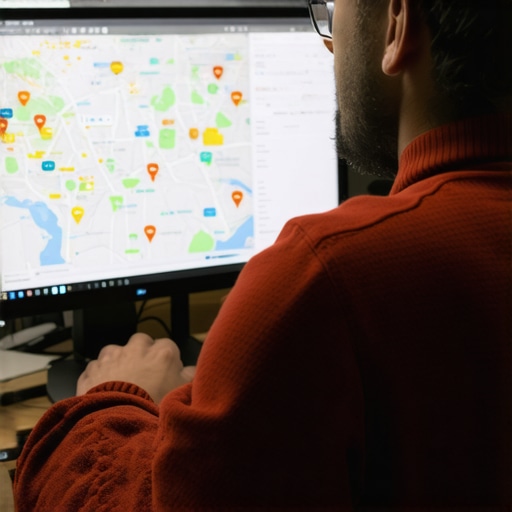 Many local businesses and marketers operate under common misconceptions about local SEO growth, often believing that surface-level tactics like keyword stuffing or basic citation building are enough. However, in my experience, this approach can be a trap leading to stagnant or even declining rankings. The real challenge is understanding the complex, dynamic landscape of local search algorithms and user intent, which requires a nuanced, expert-level strategy.
One prevalent myth is that Google Maps rankings are primarily driven by quantity of backlinks or reviews. While these factors matter, research indicates that Google’s local algorithms prioritize semantic relevance and user engagement signals more heavily than ever before. Relying solely on backlinks can be deceptive—without addressing the semantic gaps in your content or optimizing for hyper-local intent, your efforts will fall short.
An advanced mistake I see many make is neglecting the importance of proximity and how Google interprets your service area’s core local signals. Many assume that widening your service area or adding multiple locations dilutes your relevance, but in reality, strategic geographic targeting combined with accurate schema markup can enhance local authority. Incorporating detailed location-based schemas and ensuring your Google My Business profile accurately reflects your service zones can significantly boost your rankings.
Now, a question that often puzzles even seasoned marketers is:
How can I effectively balance localized content with broad SEO strategies to avoid semantic gaps?
The key lies in creating hyper-local content that addresses specific community interests while integrating high-value, intent-driven keywords naturally. Aligning this with structured data and engagement signals like reviews and Q&A activity tightens your semantic network, making it more resilient against algorithm updates.
Furthermore, many fail to recognize that Google increasingly measures trust signals through real-world authority, such as community partnerships or participation in local events. Developing genuine relationships and documenting these efforts online can fill the semantic gaps in your authority profile. For instance, collaborating with local influencers or sponsoring neighborhood initiatives could be as impactful as technical optimizations.
Lastly, avoid the trap of focusing too much on short-term tactical wins without considering the broader context. As noted by SEO experts, consistent attribution of local signals and ongoing optimization are necessary to stay ahead in the evolving landscape. Regularly auditing your citations, reviews, and schema implementations ensures you’re aligned with the latest ranking factors.
In summary, the most overlooked nuance in local SEO growth stems from a failure to see the full picture—integrating semantic relevance, engagement, geographic precision, and community authority. Mastering these dimensions elevates your local business’s authority and ensures sustained growth.
Have you ever fallen into this trap? Let me know in the comments or reach out through our contact page. Remember, true local SEO success is about depth, not just tactics.
How do I keep my local SEO momentum over time?
Maintaining consistent local rankings requires the right combination of tools, routine strategies, and proactive monitoring. One tool I swear by is BrightLocal, which provides comprehensive local citation management and review tracking—a critical aspect often overlooked after initial setup. I personally use it daily to monitor citation consistency and review velocity, ensuring my business remains authoritative and trustworthy in Google’s eyes. Regular audits through BrightLocal help identify and fix inaccuracies, filling semantic gaps around NAP consistency and local signals.
In addition, I rely heavily on Google Search Console’s performance reports to track how my hyper-local content and schema implementations influence visibility. Connecting this with SEMrush’s Local SEO toolkit allows me to analyze competitor performance and spot emerging opportunities. These tools collectively empower me to stay ahead of algorithm shifts and adjust strategies proactively, especially as Google continues to enhance its local algorithms with AI-driven signals.
Predicting the future, I believe AI integration will personalize local results even further, making it crucial to leverage automation tools that simulate user engagement signals like reviews, Q&A, and behavioral data. Investing in reputation management software will be essential as trust becomes more vital in local rankings—like Moz Local’s review prompting system, which I find indispensable for maintaining high engagement levels.
Quick tip: Implement structured management workflows for ongoing optimization
One practical step is creating a recurring checklist for schema audits, review responses, and citation updates. This systematic approach helps you catch semantic gaps early, reinforcing your location authority regularly. Remember, SEO is not a one-and-done effort but a long-term commitment. Don’t forget to keep your GMB profile optimized with the latest features, such as adding immersive virtual tours or FAQs, to boost local relevance—details that Google considers in the current AI-boosted environment.
For more advanced insights on maintaining local authority, check out how local business authority can skyrocket your SEO growth. Today, try implementing a weekly review cycle using your selected tools, and watch your local presence strengthen over time—because sustained success demands consistency and precision.